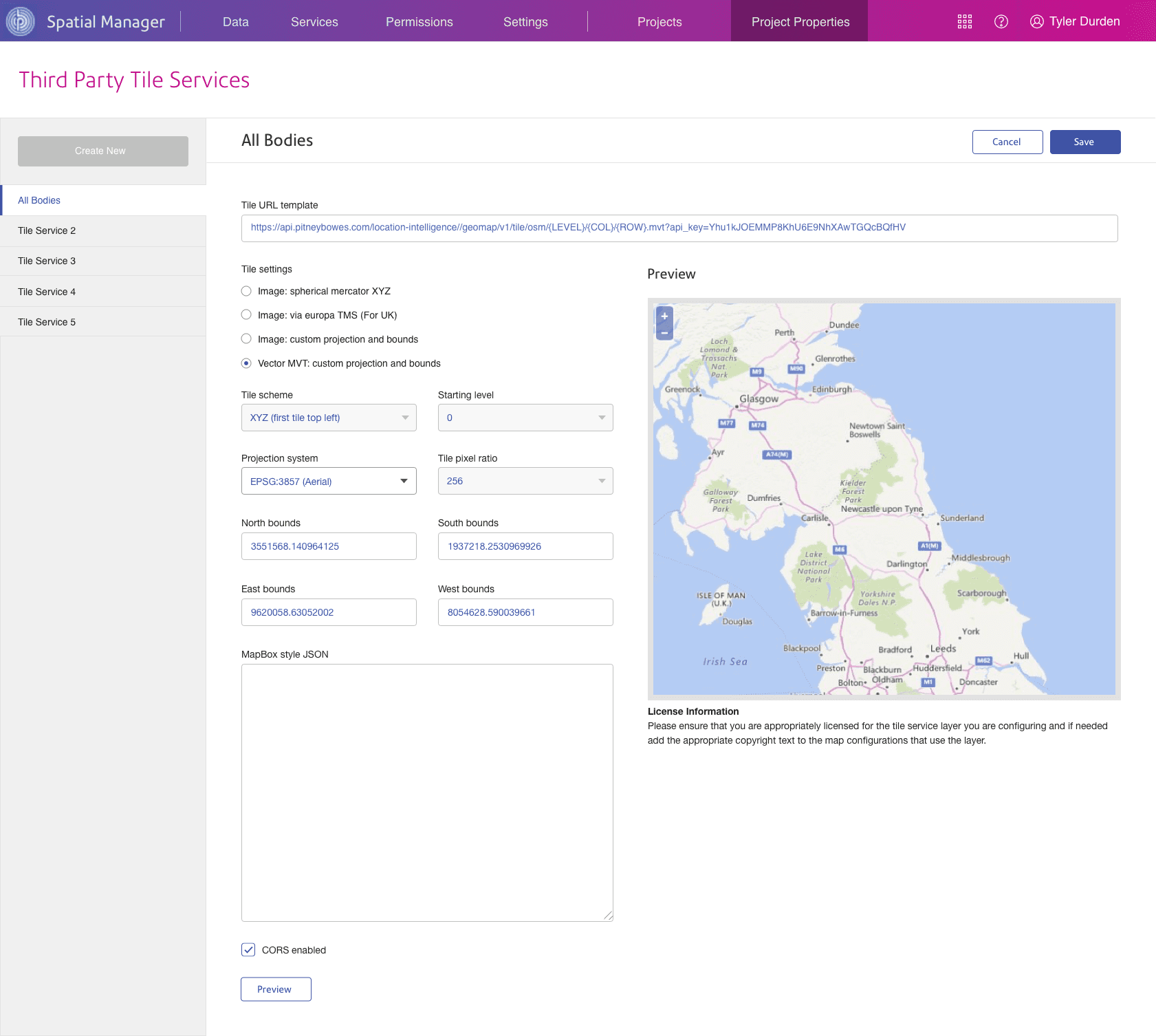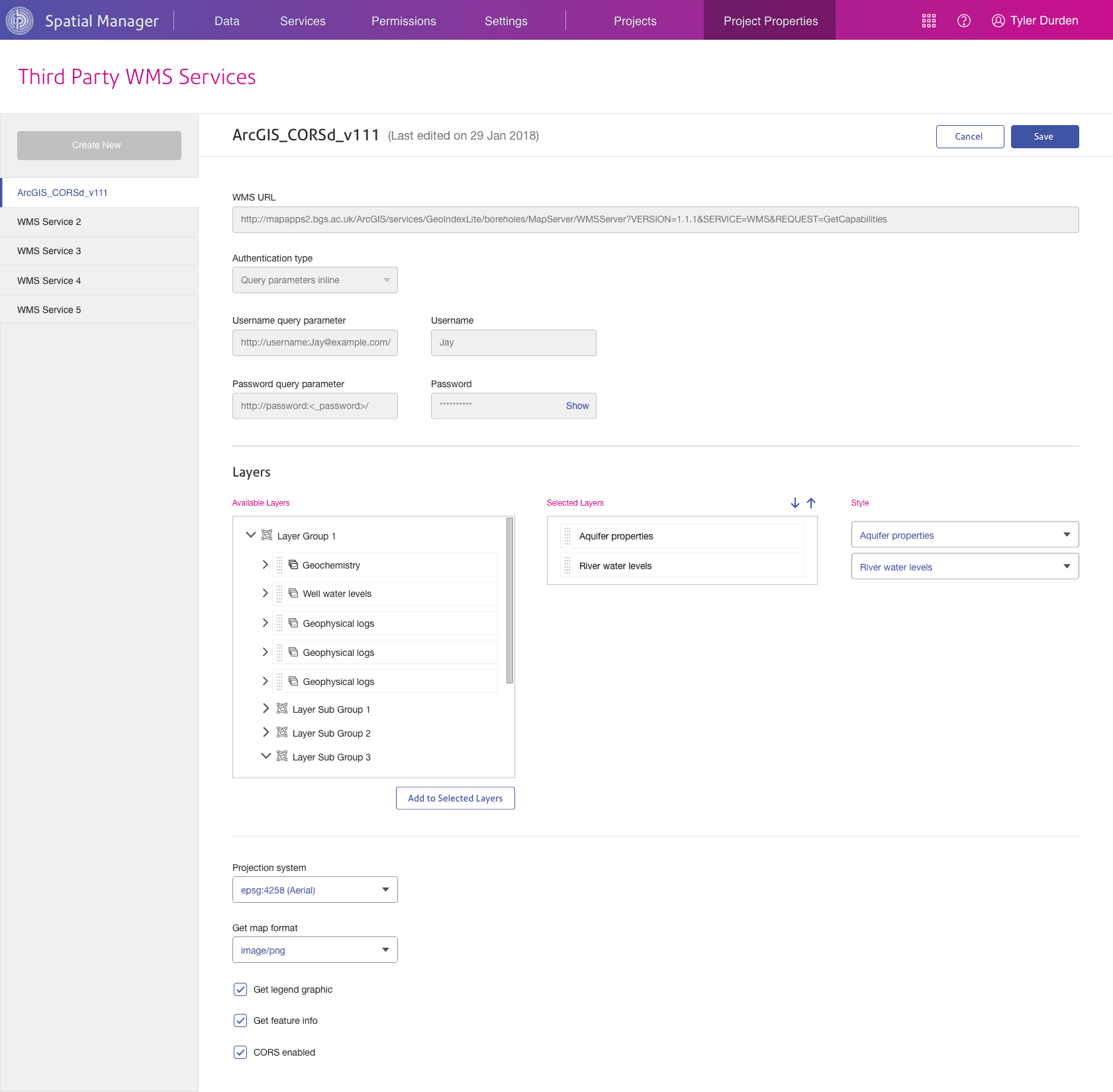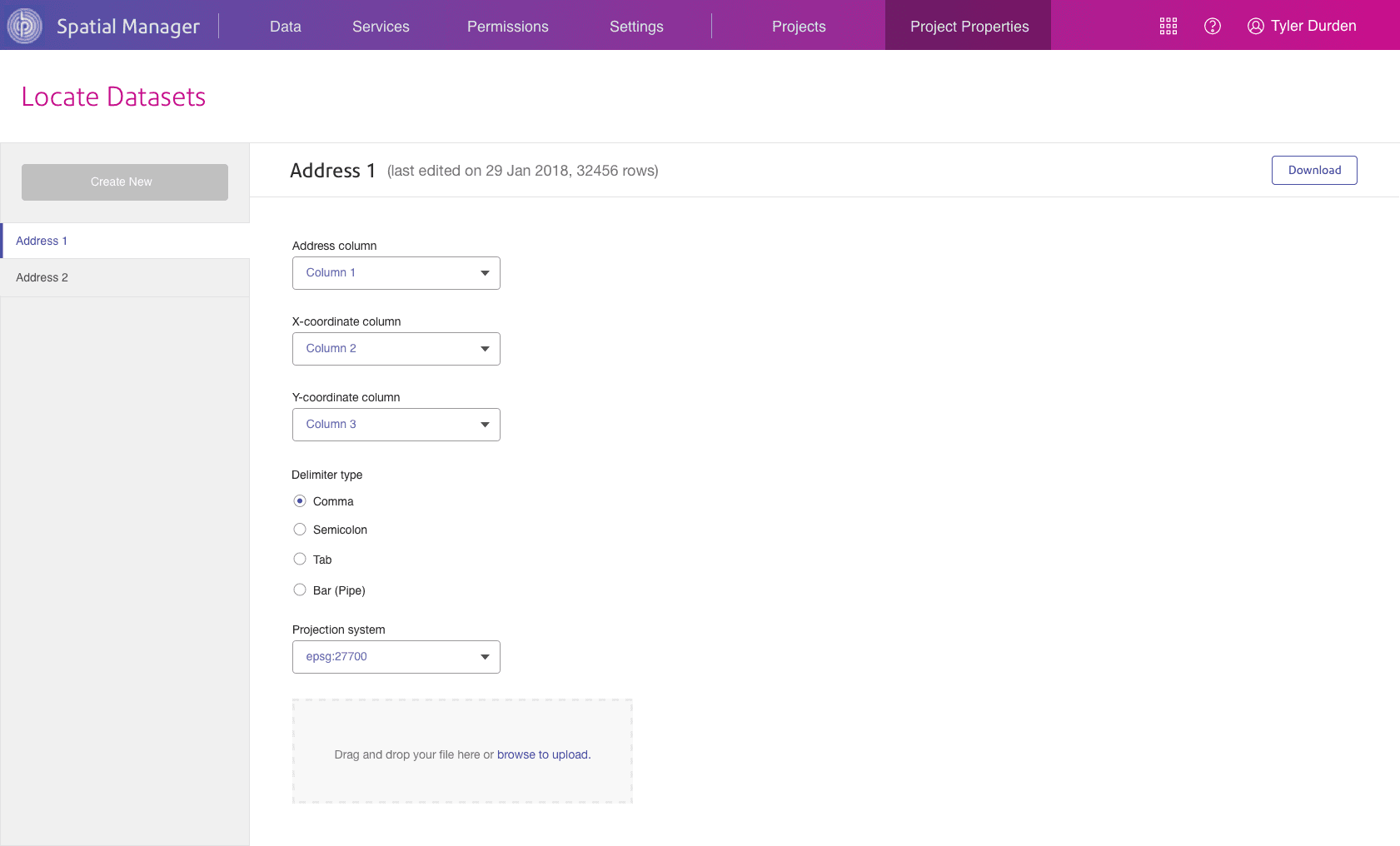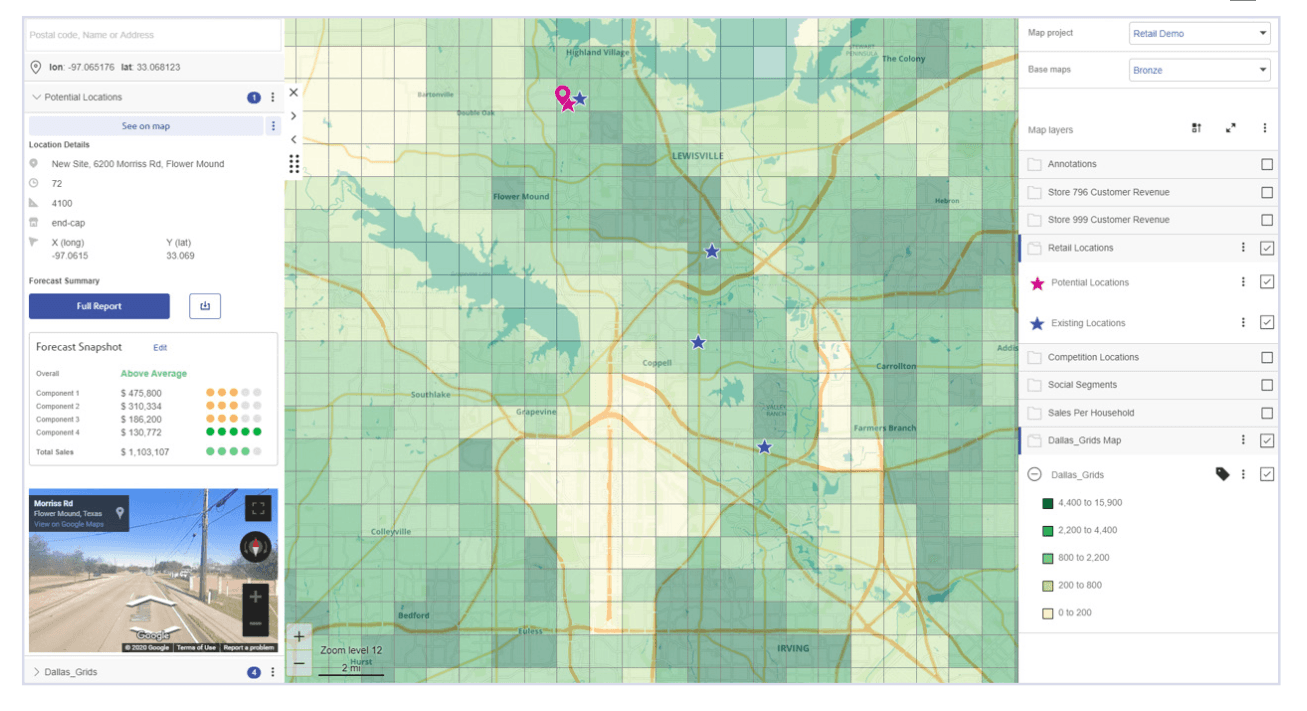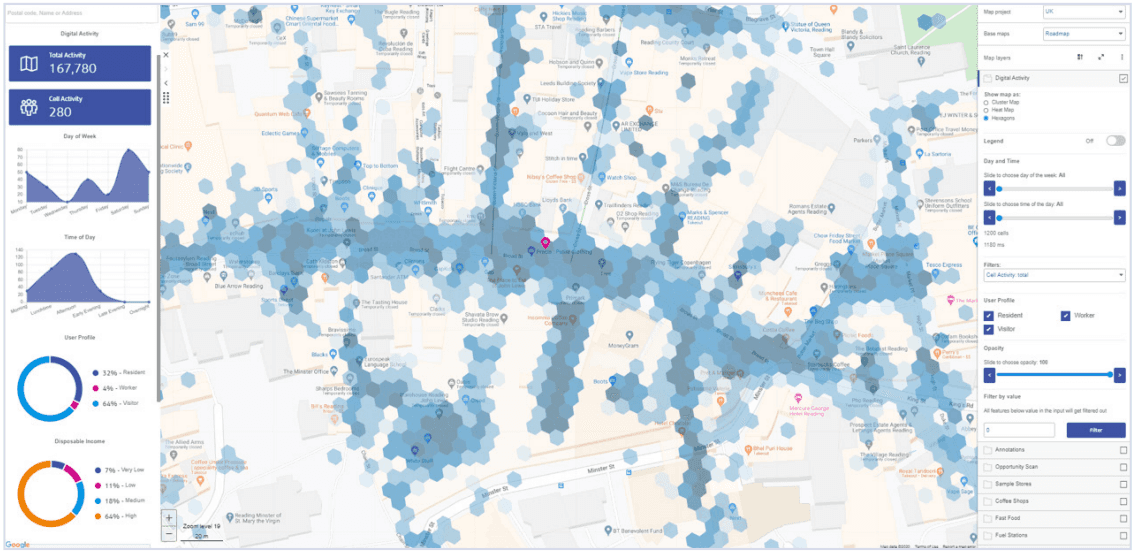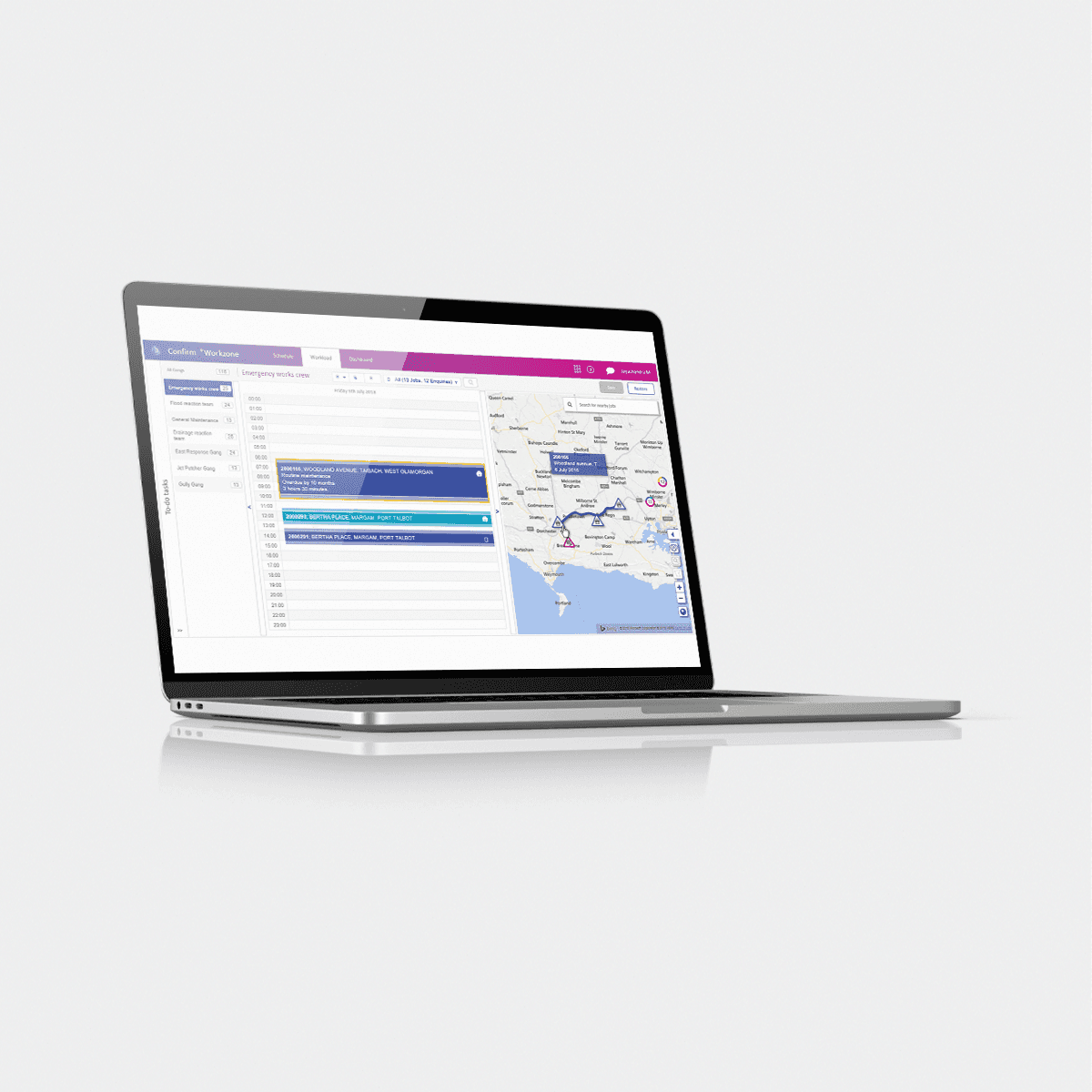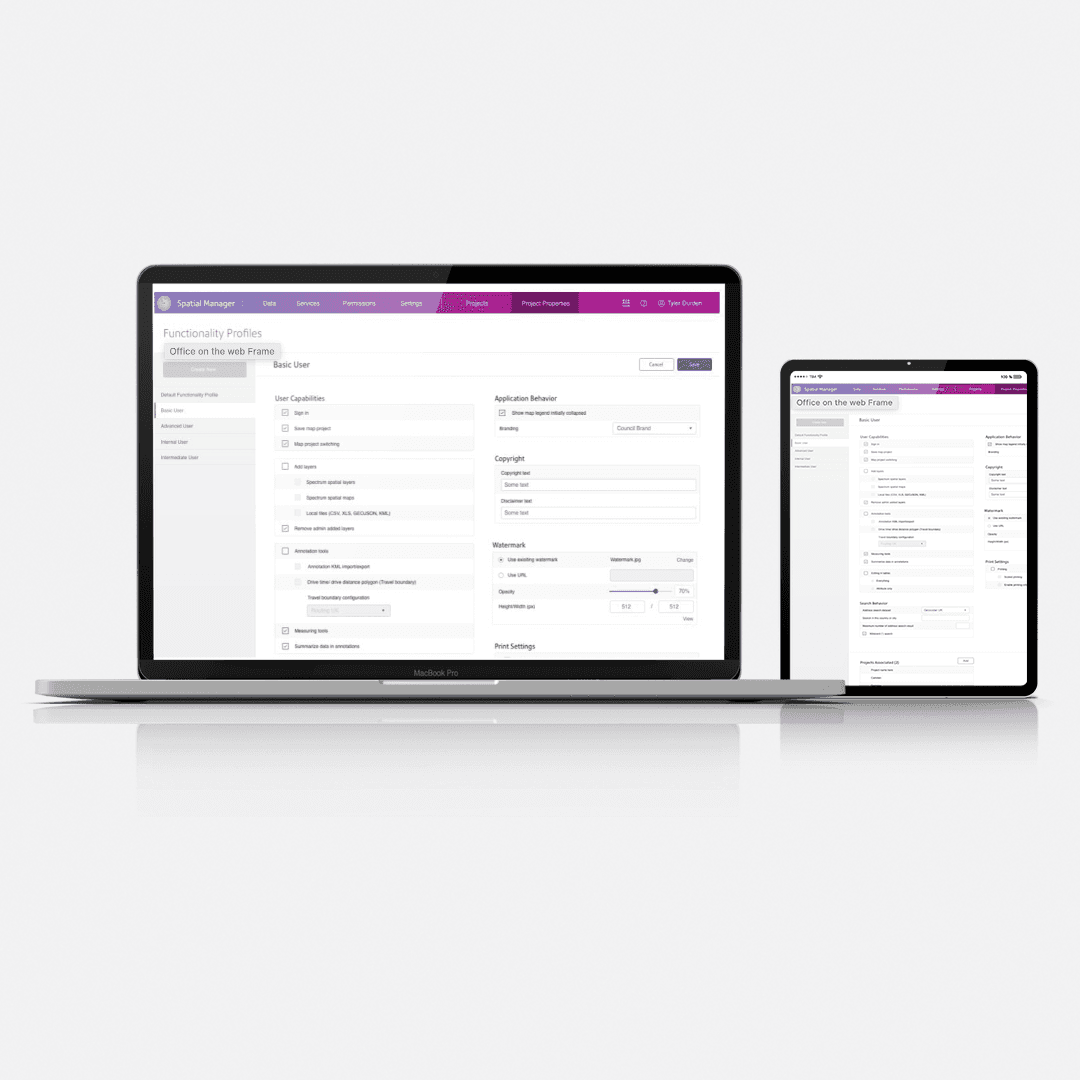
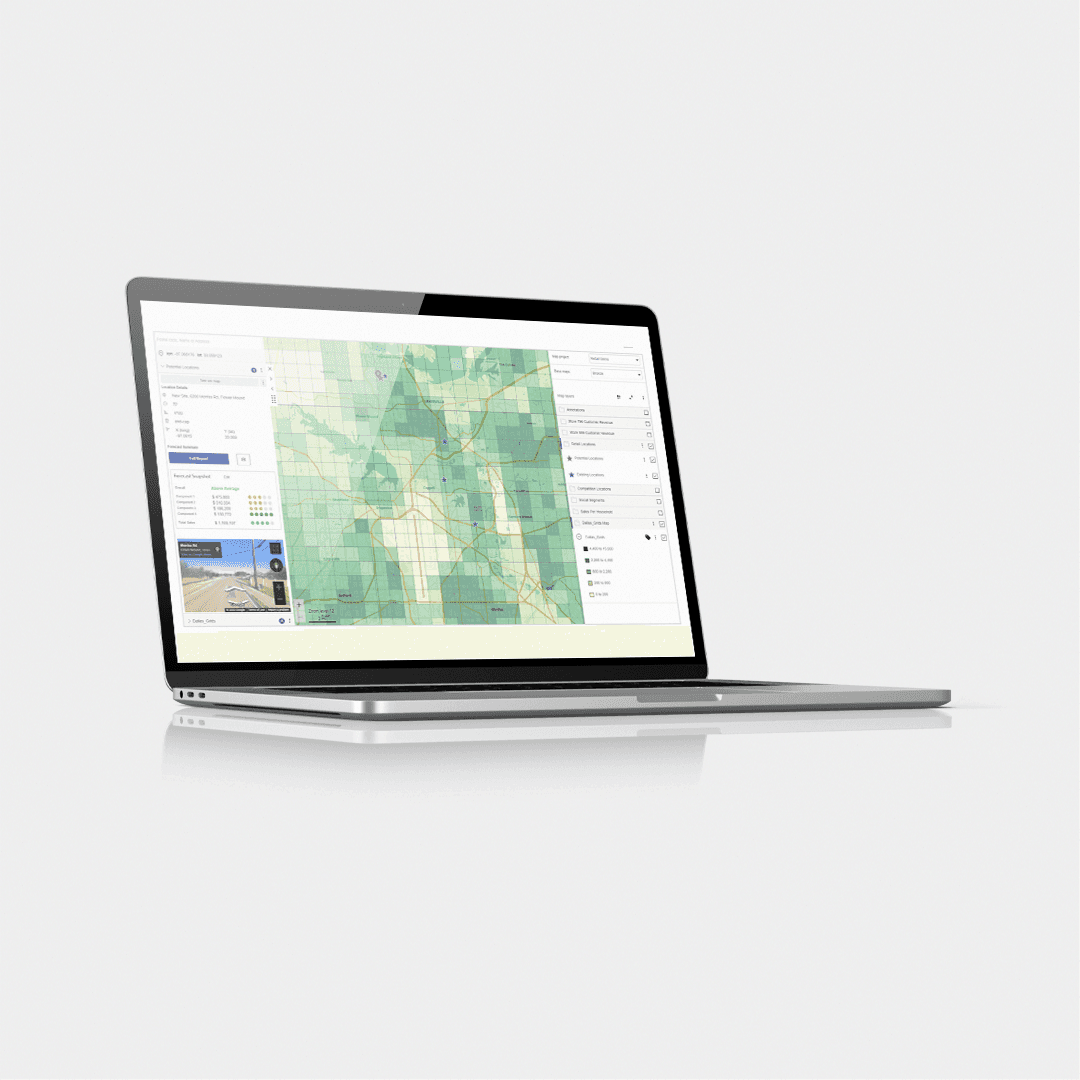
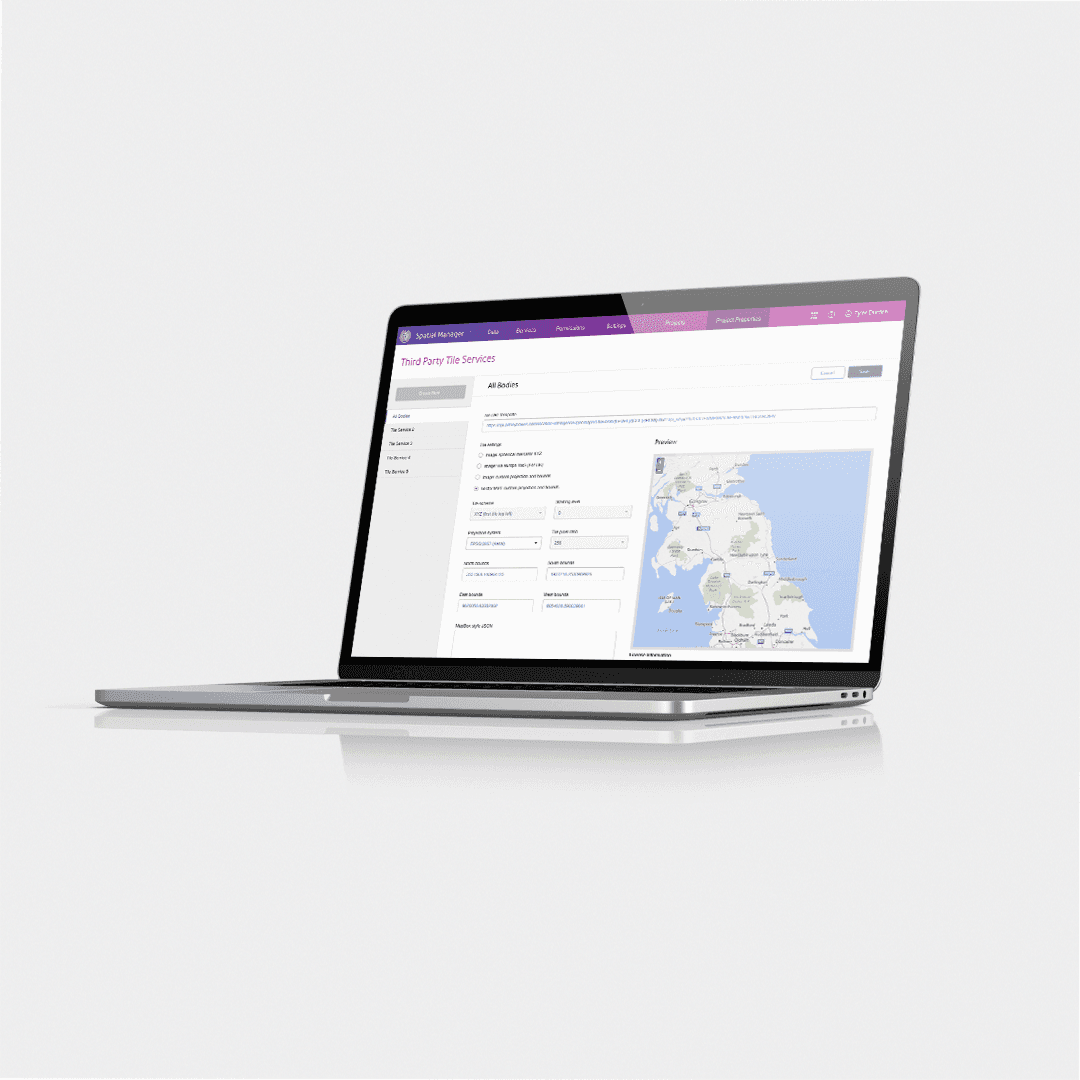
It’s a suite of location intelligence products that allows users to visualize, analyze and transform spatial data from different sources and thereby derive insights for their businesses.
Context:
When I joined this product team, my first assignment was designing a unified spatial management application that integrates all administration aspects of Spectrum Spatial. The initial round of user research and design was done by other designers who gave me the knowledge transfer before the hand-off. I created the personas based on the initial user research and continued to refine them with every release.
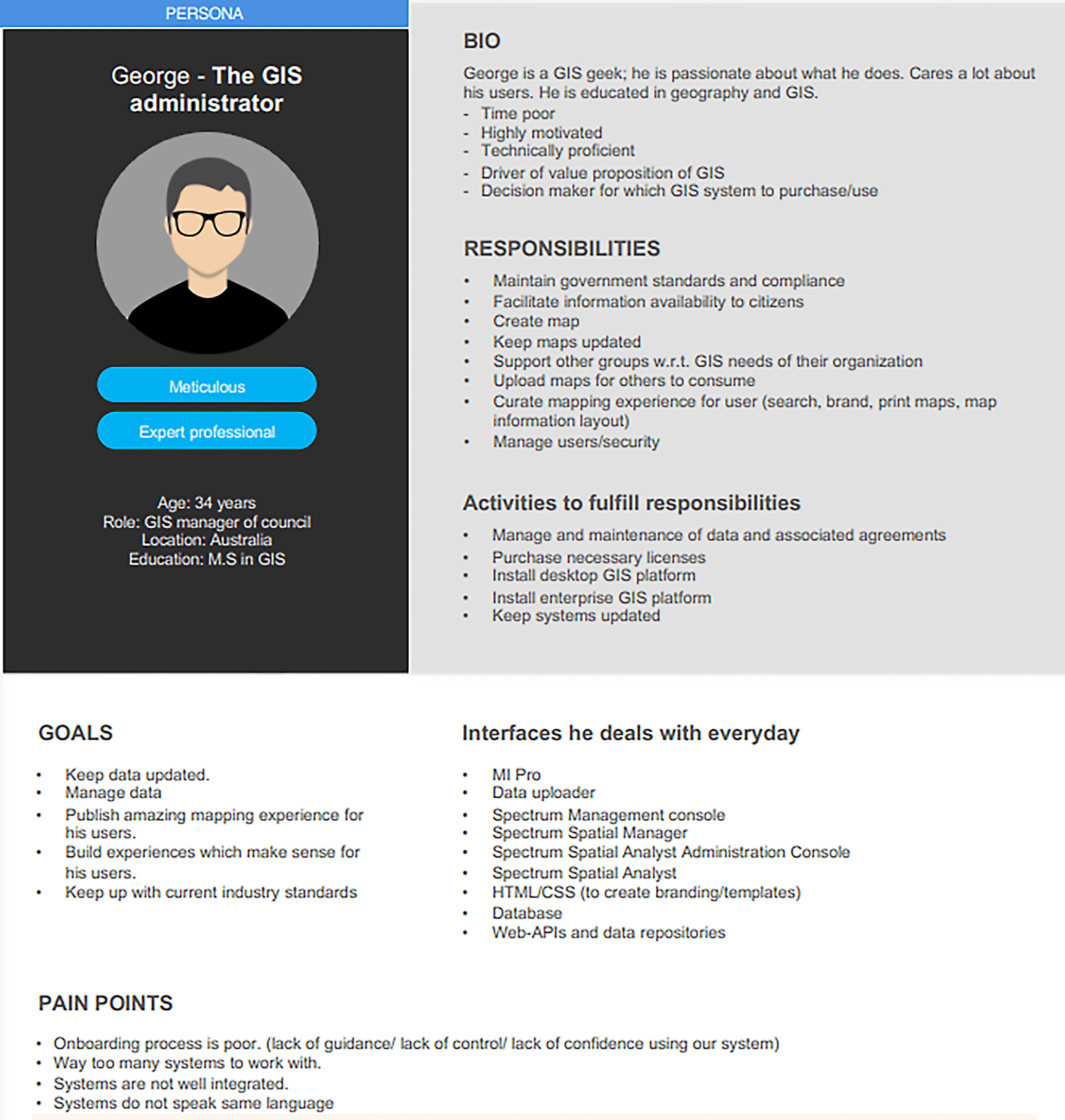
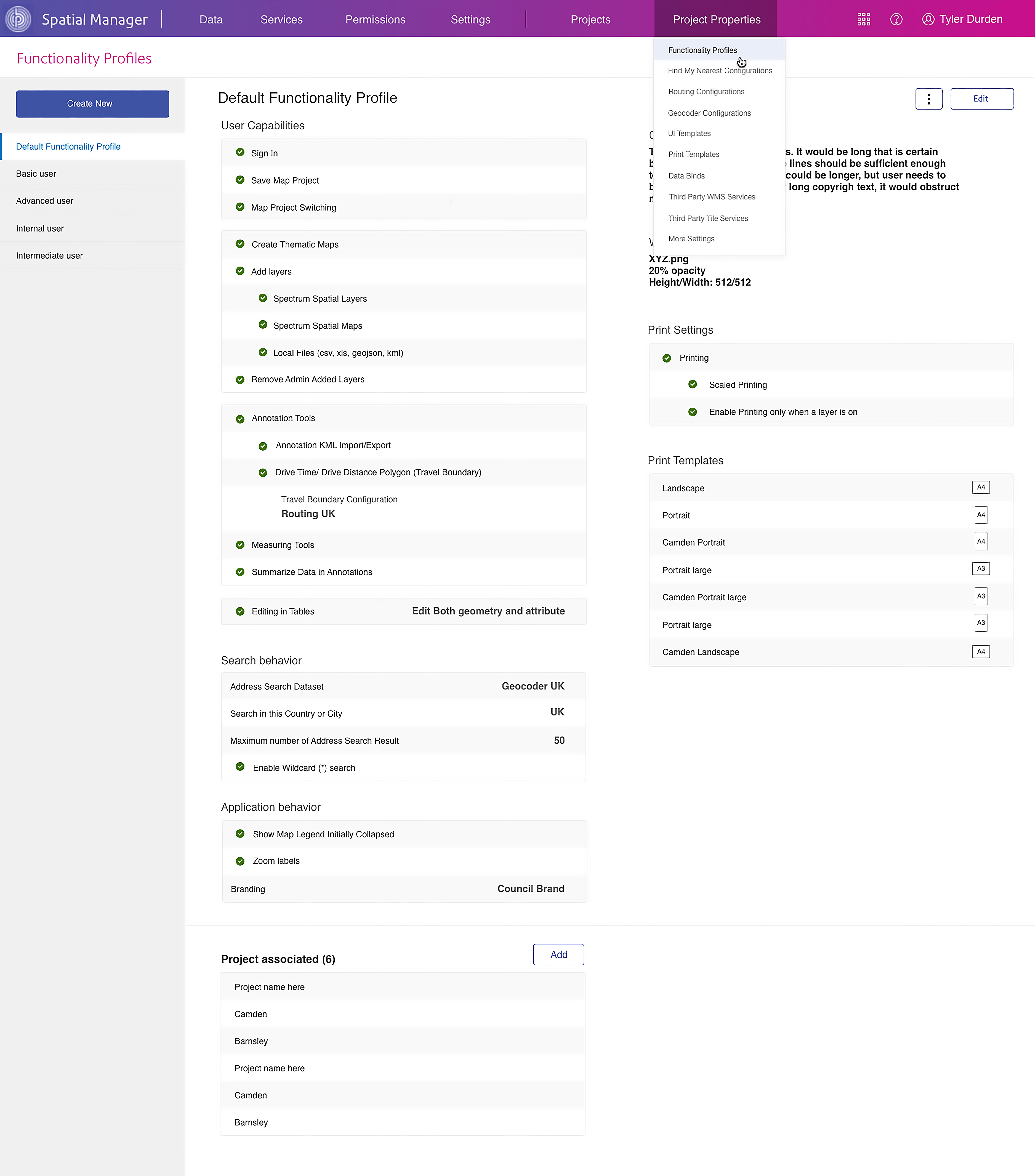
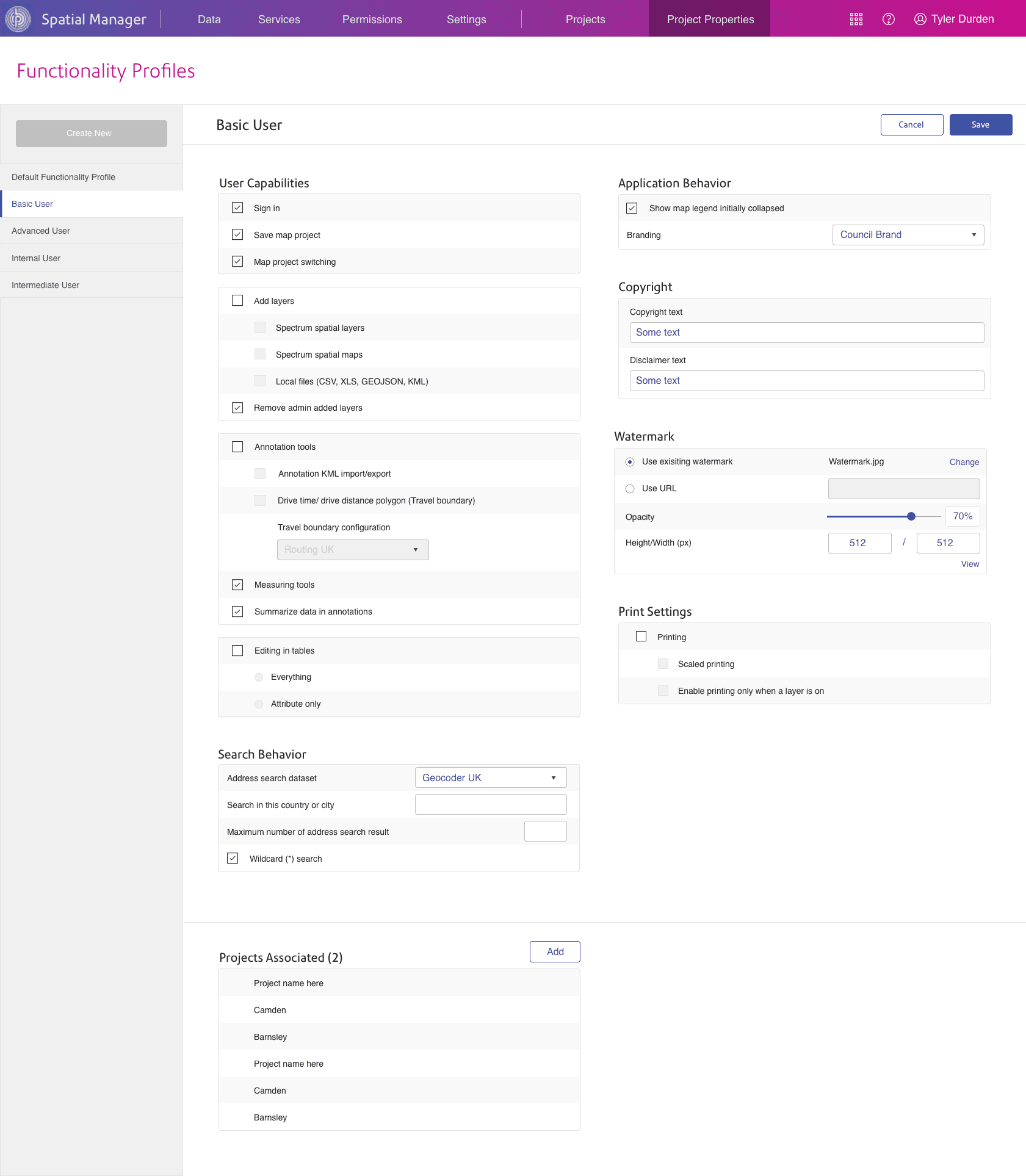
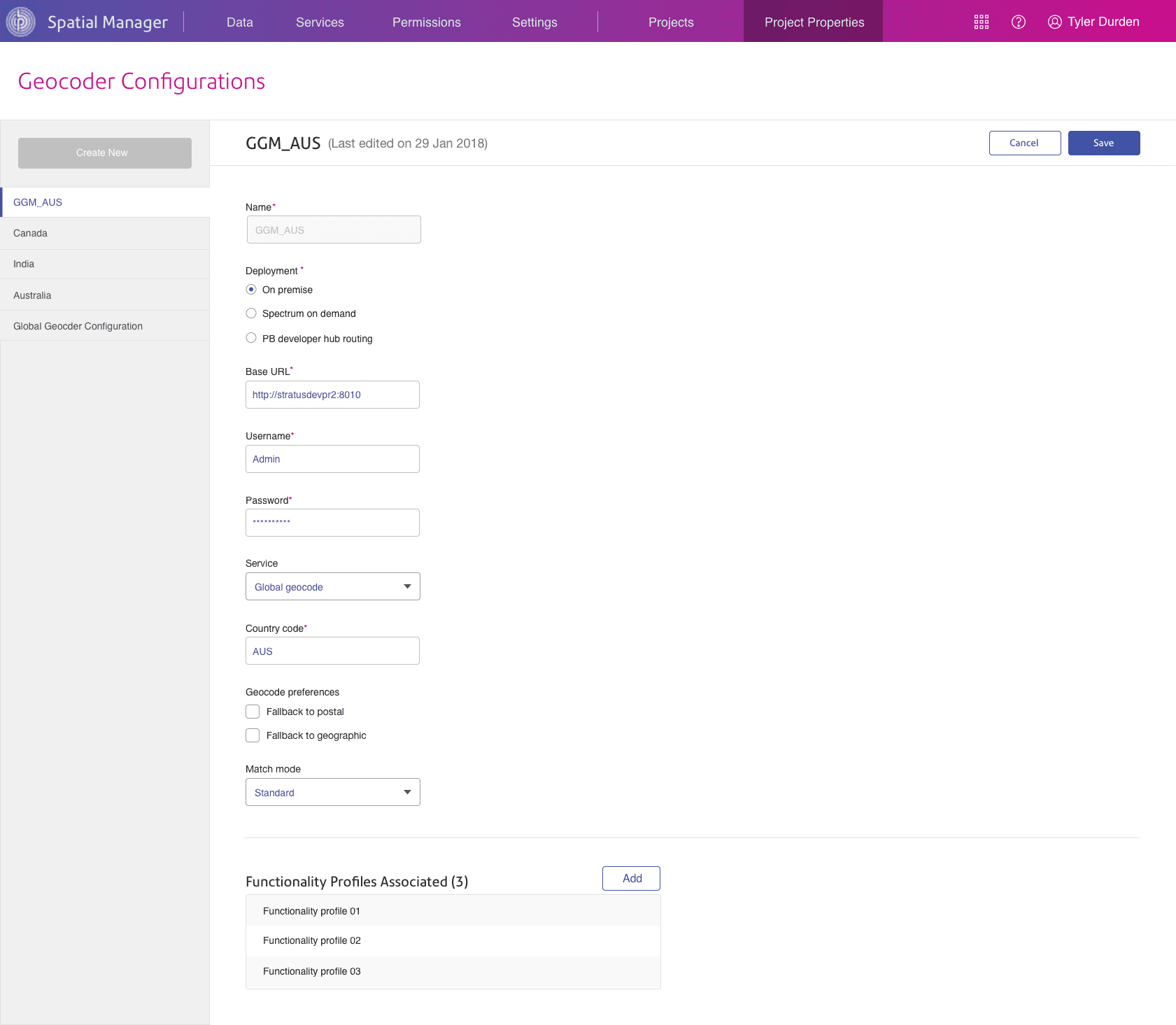
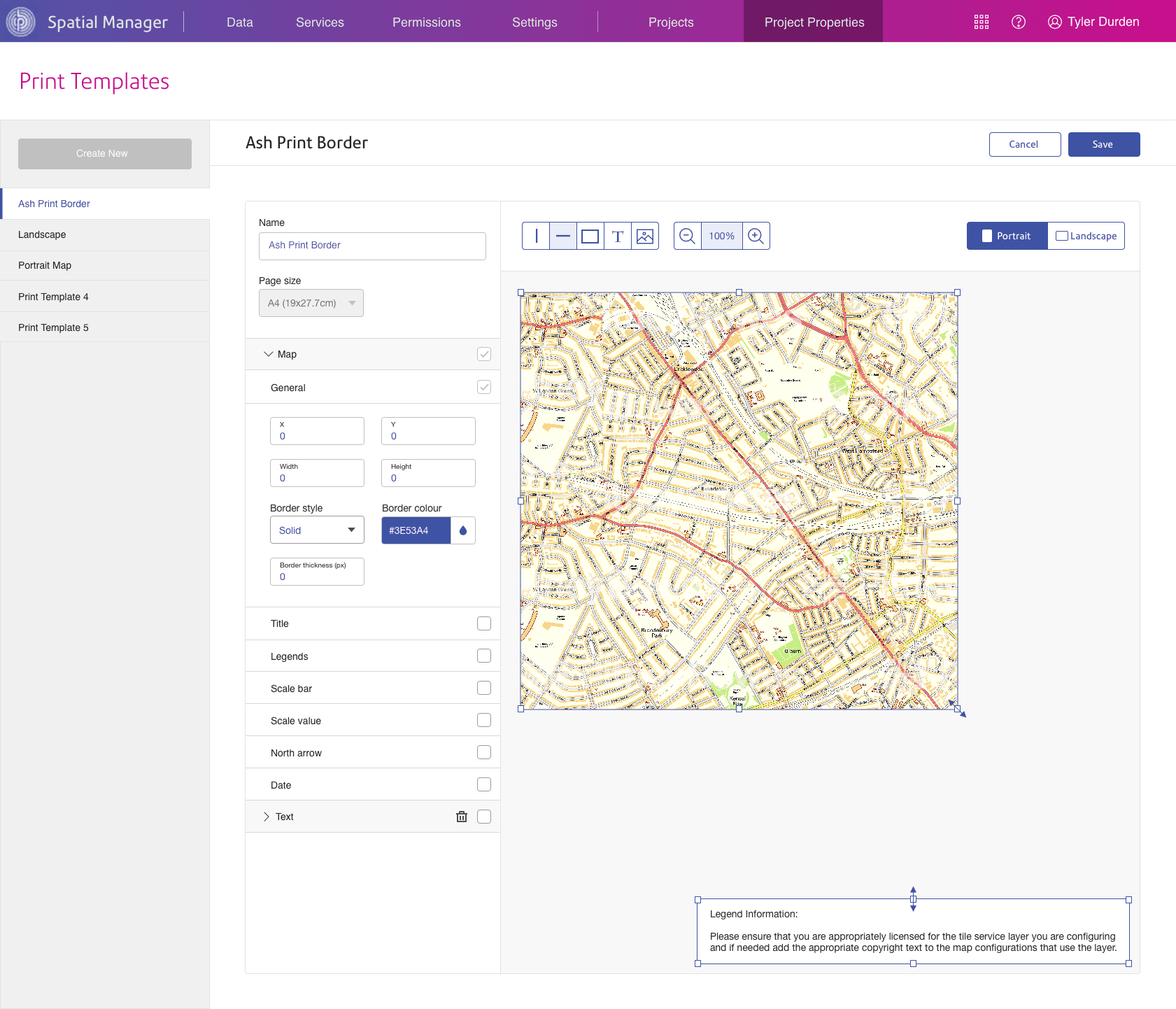
Before the start of this project, the administration was done manually via different tools and process. The process was tedious, time consuming and doesn’t give users a live preview of the visual impact of the administrative changes they are making to spatial data. This was addressed by providing a consolidated interface for administration along with a live preview of spatial data changes.
Later releases include multiple themes and features like upload and visualization of spatial data, designing the stages to define the flow of multiple spatial activities and operations etc.
Journey:
I was instrumental in incorporating user centered design as a core aspect of dual track agile process for the product in collaboration with the team. This was followed in the subsequent releases, through several UX initiatives and continuous process improvements:
Ideas portal – This is a web portal for the users where they can post ideas they like to see implemented in the product. Other users can upvote if they like the idea. I initiated a regular cadence with product management to discuss and triage the ideas to be taken up in the upcoming product release. Later, I did a discovery user research with end users to understand their needs and context in detail, triage the findings and feed it back into the product backlog
Design System – Socialized the company design system within the team on an ongoing basis, making sure the product and engineering team members are aware of and upto speed with the latest versions of the design system and conform to its usage guidelines. The UI implementation was reviewed against the mock-ups and design system guidelines in every scrum, defects are raised in the user story and assigned to QA for revalidating after they are fixed. This is in addition to a quarterly review with the design system team.
Through these efforts, I was instrumental in improving the Design System score of the team from 4/5 to 5/5 making the team Design System Champions in the company!
Design Thinking – Through the efforts below, I was instrumental in improving the score of the team for Design Thinking from 3/5 to 4/5 making the team second best Design Thinking Champions in the company!
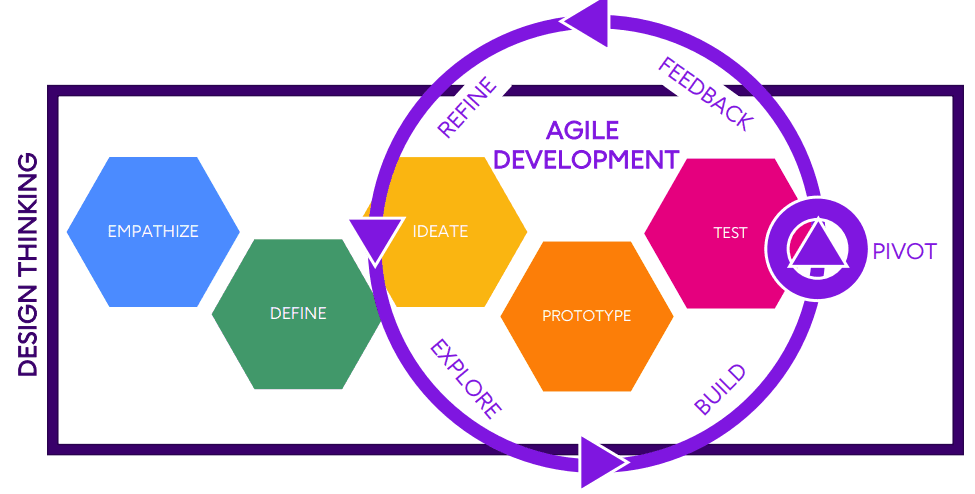
Attended design thinking workshops organized in the company (e.g. LUMA) and used design thinking techniques learnt during the sprint e.g. scrum planning, retrospectives etc.
Business measurement plan – Collaborated with product management, engineering and user research teams to discover and define the main KPI’s for the product, the metrics involved and the ways to measure them in an ongoing manner, for every release.
Globalization – Established a regular cadence with the globalization team to review the current UX work from localization perspective, gather their feedback and also exchange knowledge about the processes and best practices. Received the company awards as best collaborator and globalization champion.
UX Backlog – Established a UX backlog for the product. This is done by continually identifying the UX improvements needed for the products, after validating them with the users and including them in the UX backlog. Other items include UX debt i.e. issues identified during UI implementation which are triaged to be fixed in an upcoming release. These items go into the product backlog along with business and technical backlog items. At the beginning of a release, these items are triaged and included in the product backlog, constituting about 10% of the total backlog.
UX validation research – All the designs are validated with end users during and after the development. All the team members are invited to the session for observation. The user feedback is analyzed based on notes from multiple observers, presented to the team for triaging and incorporating into current or a future release, via UX backlog.
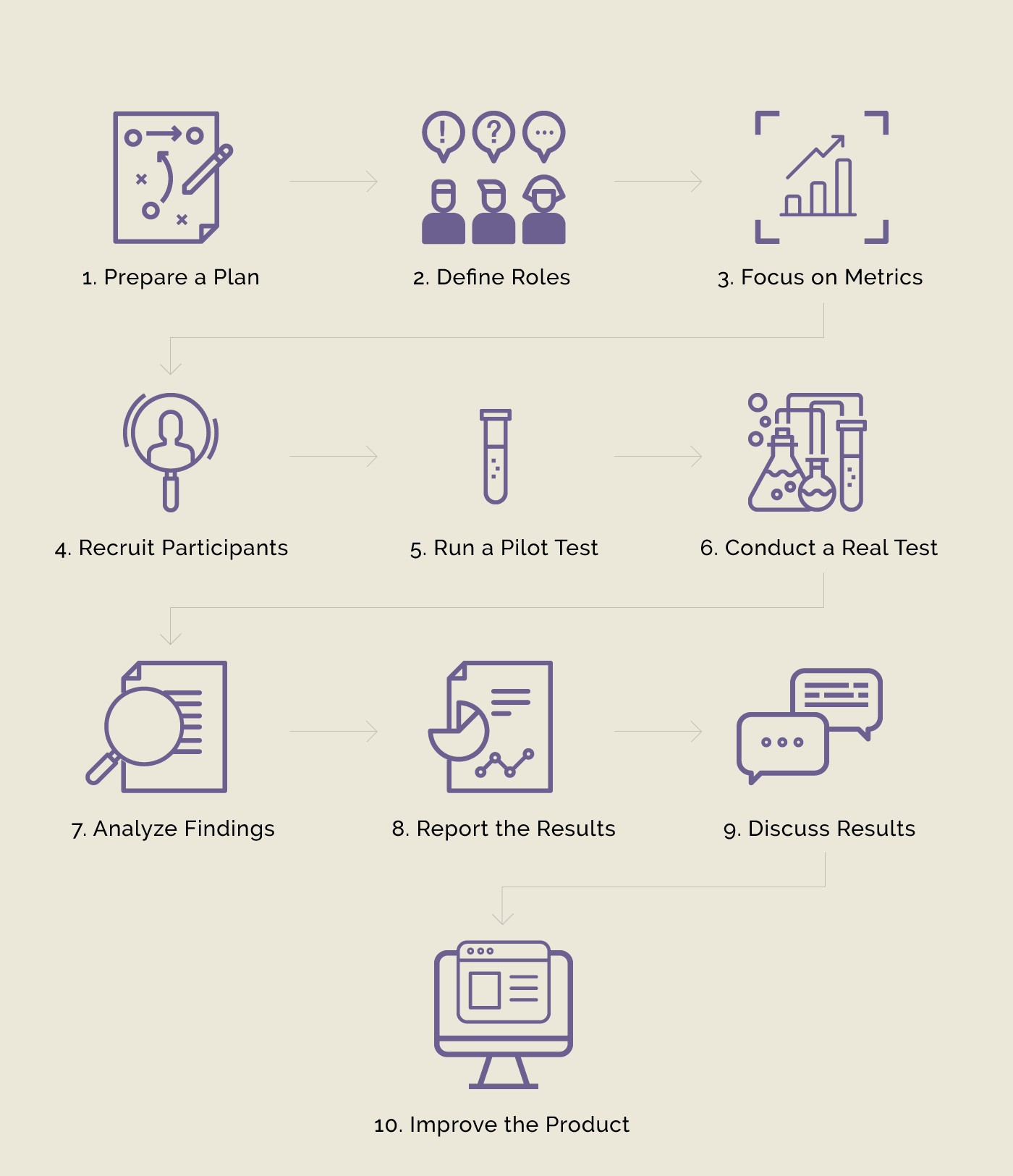
Design thinking reviews with product and design system teams on a quarterly basis.
Hiring, coaching and mentoring – This was done to sustain and improve the UX activities within the product team. Mentored 2 people as observers during UX validation study. Outside of the product, mentored a couple of interns and junior designers. One of them got nominated for the women in leadership program in the company. The process involves monitoring and regular reviews, which are documented and presented to the executive leadership team towards the end of the program.
Team collaboration – Proactively scheduled UX team meetings and driving engagement for India location, in lieu of absence of UX manager in India. Also, took lead of on-boarding of new hires, getting them upto speed with tools and processes within the company and doing external UX peer reviews for first few scrums.
Other initiatives include collaboration with multiple scrum teams in scrum ceremonies planning, daily, retros etc. to define acceptance criteria and business rules needed for a user story as per the designs. Included UX review of test case for conformance to the acceptance criteria and designs, review of UI against proposed design in multiple breakpoints, devices and resolutions, along with documentation of the issues identified during the review. Also, participated in multiple hackathons to support the teams with brainstorming and shaping new ideas, creating UX prototypes for demos and presentations to executive leadership.